Issued patent
Molecular Adsorber Coating (MAC)
An issued NASA patent from the Technology Transfer catalog.
About this technology
Overview
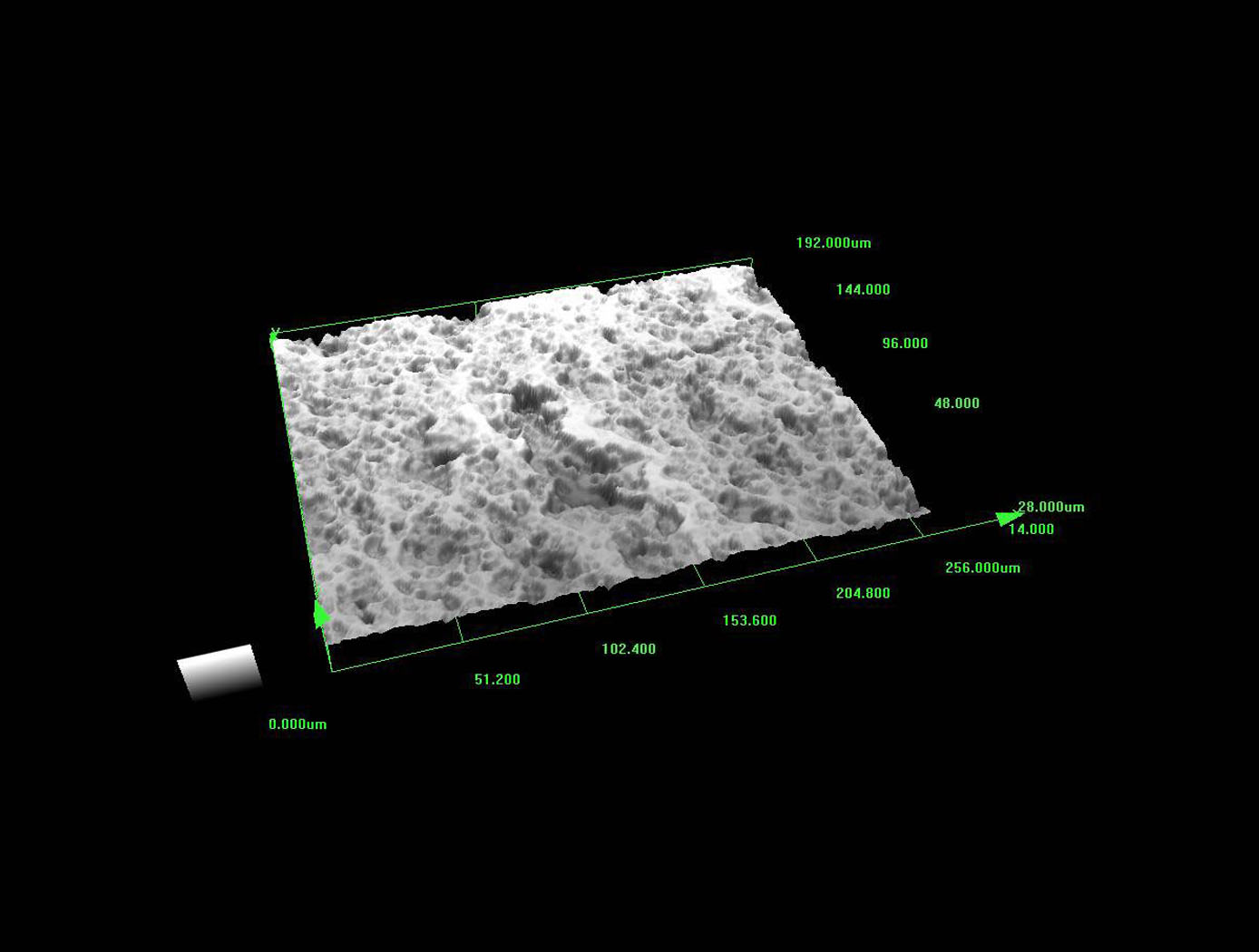
Goddard Space Flight Center has developed a portfolio of molecular adsorber coatings (MAC) to mitigate issues posed by volatile organic compounds (VOC). Many materials contain gasses that are trapped on or within the surface that, when in vacuum, will escape the host material over time - a process known as outgassing. The extent of outgassing is a function of the material, temperature, and the vacuum level present. To address outgassing issues in spacecraft, NASA has historically used zeolite based molecular adsorbers in spacecraft and instruments to collect and retain outgassed molecular effluent emanating from potting compounds, epoxies, tapes, lubricants, and other spacecraft materials, protecting critical, contamination sensitive, surfaces. Uncontrolled, molecular contamination can cause significant degradation of instrument performance, thermal control properties, solar array efficiency, optical surfaces, laser systems, detectors, cryogenic instruments, and high powered electronics. In an effort to simplify previously flown complex zeolite coated cordierite molecular adsorber puck systems, such as those flown on Hubble Space Telescope (HST), a portfolio of easily produced and applied molecular adsorber coatings have been developed.